Introduction
Juggling a toddler on one hip and a ringing phone in the other hand when I noticed my usual hummus stash was nowhere to be found. Half a container of ripe avocado sitting lonely on the counter and a freezer full of edamame suddenly sparked an idea that felt a little wild at first. Instead of panicking about the lack of my go-to snack, I grabbed a blender, a handful of pantry staples, and started throwing things together while dodging a flying sippy cup. Honestly, this fresh avocado and edamame hummus recipe was born out of that chaotic kitchen moment when convenience and creativity had to collide.
The creamy texture of avocado combined with the subtle nuttiness of edamame made a dip that was unexpectedly smooth and vibrant, perfect for those hectic days when you want something healthy but fuss-free. Pairing it with a quick za’atar flatbread, sprinkled generously with that earthy, lemony spice blend, turned this snack into a mini celebration on the plate. It’s the kind of recipe that stuck with me not because it was planned but because it worked so well when I needed it most—fresh, flavorful, and surprisingly comforting.
Even now, whenever I pull out this avocado and edamame hummus with za’atar flatbread, it reminds me how sometimes the best dishes come from a bit of mess and improvisation. It’s a quiet little victory in the daily whirlwind of life.
Why You’ll Love This Recipe
- Quick & Easy: Comes together in under 20 minutes, perfect for busy weeknights or impromptu guests.
- Simple Ingredients: Uses everyday pantry items with fresh avocado and frozen edamame, no fancy shopping needed.
- Perfect for Snack Time: Ideal for casual gatherings, light lunches, or a healthy afternoon pick-me-up.
- Crowd-Pleaser: Loved by kids and adults alike, thanks to its creamy texture and bright flavor profile.
- Unique Twist: Combining avocado and edamame gives a fresh spin on traditional hummus, with a slightly green hue and a nice dose of protein.
- Za’atar Flatbread: The quick flatbread topped with za’atar adds a fragrant, herbal crunch that complements the dip beautifully.
This isn’t just your typical hummus recipe—it’s a fresh take that balances creaminess with a subtle earthiness, making it both satisfying and light. The za’atar flatbread, with its vibrant aroma, adds a rustic charm you don’t often find in everyday snacks. It’s a recipe that makes you pause for a moment and appreciate simple ingredients coming together in an unexpectedly delicious way.
Ingredients Needed
This fresh avocado and edamame hummus recipe uses simple, wholesome ingredients to give you bold flavor and a smooth, satisfying texture without any fuss. Most are pantry staples or easy to find frozen and fresh items.
For the Hummus
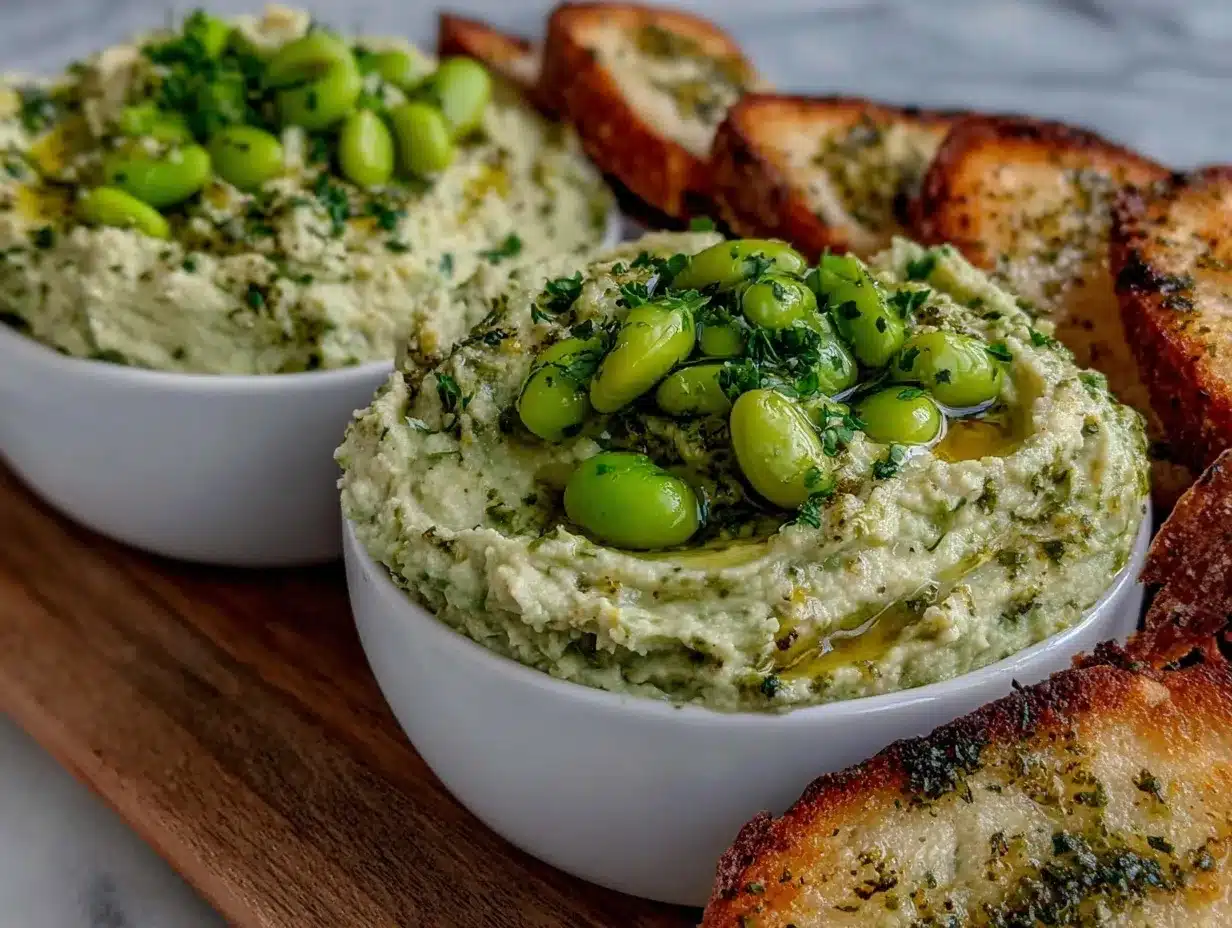
- 1 cup shelled edamame (frozen, thawed) – a great plant-based protein base
- 1 ripe avocado, peeled and pitted – adds creaminess and healthy fats
- 2 tablespoons tahini – for that classic hummus richness (I prefer Soom brand for its smoothness)
- 2 cloves garlic, minced – sharp and aromatic
- 2 tablespoons fresh lemon juice – brightens the flavors
- 2 tablespoons extra virgin olive oil – smooths and rounds out the dip
- 1/2 teaspoon ground cumin – adds subtle warmth
- Salt to taste – enhances all the flavors
- Water as needed – to adjust consistency
For the Za’atar Flatbread
- 1 cup all-purpose flour (or whole wheat for a nuttier taste)
- 1/2 teaspoon baking powder
- 1/4 teaspoon salt
- 2 tablespoons plain yogurt (regular or dairy-free coconut yogurt)
- 2 tablespoons water
- 2 tablespoons olive oil, plus extra for brushing
- 1 tablespoon za’atar spice blend – the star seasoning (try Ziyad brand for authentic flavor)
If you want to swap out ingredients, almond flour works well for a gluten-free flatbread option, and you can use lime juice instead of lemon for a punchier twist. Frozen edamame is perfectly fine, but make sure it’s fully thawed to blend smoothly. Feel free to adjust garlic and lemon to taste — some days I like a garlicky kick, other days a lighter touch.
Equipment Needed
- Food processor or high-speed blender – to achieve that creamy hummus texture
- Mixing bowls – for dough and ingredient prep
- Rolling pin or a clean bottle – to roll out the flatbread thinly
- Non-stick skillet or cast iron pan – for cooking the flatbread evenly
- Measuring spoons and cups – for accuracy
- Rubber spatula – to scrape down the sides of the blender
If you don’t have a food processor, a strong blender works well but you might need to scrape frequently. I once tried mixing by hand and, trust me, it was way too lumpy for my liking. For rolling out the flatbread, a clean wine bottle is a tried-and-true alternative if you’re short on a rolling pin. When cooking the flatbread, a cast iron pan heats evenly and gives a nice char, but a non-stick skillet does the job just fine, especially if you’re watching calories.
Preparation Method
- Prepare the Edamame: If using frozen edamame, thaw completely by leaving it in a colander at room temperature or rinsing under warm water. Pat dry to avoid excess moisture. (About 5 minutes)
- Make the Hummus: In your food processor, combine the edamame, avocado, tahini, minced garlic, lemon juice, olive oil, and cumin. Pulse until the mixture starts to come together.
- Adjust Texture: With the processor running, slowly add water (about 1-2 tablespoons) until you reach a creamy, spreadable consistency. Scrape down the sides as needed to blend evenly. Season with salt to taste. (Total blending ~3-4 minutes)
- Rest the Hummus: Transfer to a bowl, cover, and refrigerate for at least 15 minutes to meld flavors. This step is optional but recommended for best taste.
- Prepare the Flatbread Dough: In a mixing bowl, whisk together flour, baking powder, and salt.
- Mix Wet Ingredients: Add yogurt, water, and olive oil to the dry mixture. Stir until a soft dough forms. If the dough is too sticky, add a touch more flour. (Mixing time: ~5 minutes)
- Rest Dough: Cover the bowl with a towel and let the dough rest for 10 minutes. This makes the flatbread tender and easier to roll out.
- Roll Out Flatbread: Divide dough into 4 equal pieces. On a lightly floured surface, roll each piece into a thin circle, about 6-7 inches in diameter. Brush the top with olive oil and sprinkle generously with za’atar.
- Cook Flatbread: Heat your skillet over medium heat. Place one flatbread in the pan and cook for 2-3 minutes per side, until puffed and golden with dark spots. Repeat for remaining pieces. (Keep cooked flatbreads warm in a clean towel)
- Serve: Plate the fresh avocado and edamame hummus alongside the warm za’atar flatbread. Garnish hummus with a drizzle of olive oil and a sprinkle of za’atar or sesame seeds if you like.
Watch out for flatbread dough drying out – if it cracks while rolling, a quick spritz of water on your hands helps. The hummus should smell fresh and garlicky with a mild lemon zing, perfect indicators that your balance is right. This recipe rewards a bit of patience, but it’s quick enough for a last-minute snack fix.
Cooking Tips & Techniques
Getting the perfect texture for this avocado and edamame hummus is all about balancing moisture. Too much water and it becomes runny; too little and it ends up gritty. I’ve found that thawing edamame well and adding water slowly makes a huge difference. Also, using ripe avocados is key—if they’re underripe, the hummus can taste bitter or dry.
When cooking za’atar flatbread, keep the pan hot but not smoking. A moderate heat ensures the bread cooks through without burning the delicate herbs. Flipping at the right time is a bit of a feel thing—look for bubbles forming and the edges starting to lift. If you rush it, the bread won’t puff and might toughen up.
One mistake I made early on was overworking the dough, which made the flatbread tough. Letting it rest is a small step that pays off big in tenderness and ease of rolling. For a smoother hummus, scraping down the sides of your processor often helps blend everything evenly.
Multitasking tip: While the dough rests, you can blend the hummus ingredients. This saves time and cuts down on mess. And if you want to keep things extra fresh, add lemon juice last to prevent avocado browning.
Variations & Adaptations
This recipe is flexible enough to fit different diets and tastes. Here are some ways to switch it up:
- Vegan & Gluten-Free: Use gluten-free flour for the flatbread and swap yogurt for coconut or almond yogurt to keep it vegan.
- Spicy Kick: Add a pinch of cayenne or a dash of hot sauce to the hummus for a subtle heat that pairs well with za’atar.
- Seasonal Twist: In warmer months, toss in fresh herbs like cilantro or parsley into the hummus for a bright, herbaceous note.
- Protein Boost: Stir in a scoop of plain Greek yogurt or silken tofu to make the hummus creamier and higher in protein without losing freshness.
- Personal Favorite: I sometimes add roasted red peppers to the blender for a smoky sweetness that contrasts the za’atar flatbread beautifully.
Cooking the flatbread on a grill pan adds a slight char and smokiness that’s fantastic for outdoor gatherings. You can also bake the flatbreads in a hot oven on a pizza stone if you prefer a crispier texture.
Serving & Storage Suggestions
Serve the fresh avocado and edamame hummus chilled or at room temperature with warm za’atar flatbread for the best contrast. This combo works well as an appetizer or light meal, especially alongside a fresh cucumber and tomato salad or crispy garlic chicken for a heartier spread.
Store leftover hummus in an airtight container in the refrigerator for up to 3 days. To keep it from browning, press a piece of plastic wrap directly onto the surface before sealing. The flatbread is best enjoyed fresh but can be stored wrapped in foil or a ziplock bag at room temperature for a day or two.
Reheat flatbread gently in a dry skillet or wrapped in foil at 300°F (150°C) for 5-7 minutes—avoid microwaving, as it tends to make the bread rubbery. Flavors in the hummus mellow and meld nicely after a day, making it even tastier the next day.
Nutritional Information & Benefits
This fresh avocado and edamame hummus packs a nutritious punch. Edamame is rich in plant-based protein, fiber, and antioxidants, while avocado offers heart-healthy monounsaturated fats and a creamy texture without added dairy.
One serving (about 1/4 cup hummus with a piece of flatbread) contains approximately 180 calories, 8 grams of protein, and healthy fats. The za’atar adds vitamin C and minerals like zinc and iron, giving a nutrient boost along with its distinctive flavor.
This recipe is naturally gluten-free if you swap the flour, vegan-friendly if using dairy-free yogurt, and free from common allergens except sesame (in tahini) and gluten (in regular flour). It’s a wholesome choice that balances taste and health without fuss, making it a favorite in my wellness routine.
Conclusion
This fresh avocado and edamame hummus with za’atar flatbread is a snack that grew from a moment of kitchen chaos into a reliable favorite. It’s simple, satisfying, and full of personality—the kind of recipe you can trust to brighten a busy day or impress friends without stress. The combo of creamy, nutty hummus with fragrant, chewy flatbread offers a balance that feels both nourishing and indulgent.
Feel free to tweak the garlic, lemon, or spices to suit your taste, because recipes like this are meant to be your own go-to standby. I keep coming back to it for its freshness and ease, and I hope it finds a spot in your kitchen too.
Enjoy making it yours, and don’t hesitate to share your own twists—I’m always curious what others bring to this little green dip!
FAQs
Can I use canned chickpeas instead of edamame?
Yes, but the flavor and texture will be different since edamame gives a fresh, slightly sweet taste. If using chickpeas, reduce or omit the avocado to keep creaminess balanced.
How do I store leftover za’atar flatbread?
Wrap it tightly in foil or a ziplock bag. Store at room temperature for up to 2 days or freeze for longer storage. Reheat in a skillet or oven for best texture.
Is this recipe suitable for vegans?
Absolutely! Just use a dairy-free yogurt alternative in the flatbread dough, and the rest of the ingredients are plant-based.
Can I make the hummus ahead of time?
Yes, it tastes great made a few hours to a day in advance. Just cover tightly and refrigerate. Add a little extra lemon juice before serving to freshen the flavor.
What can I substitute if I don’t have za’atar?
You can use a mix of thyme, oregano, sesame seeds, and a pinch of sumac or lemon zest for a similar herby, tangy flavor.
Pin This Recipe!
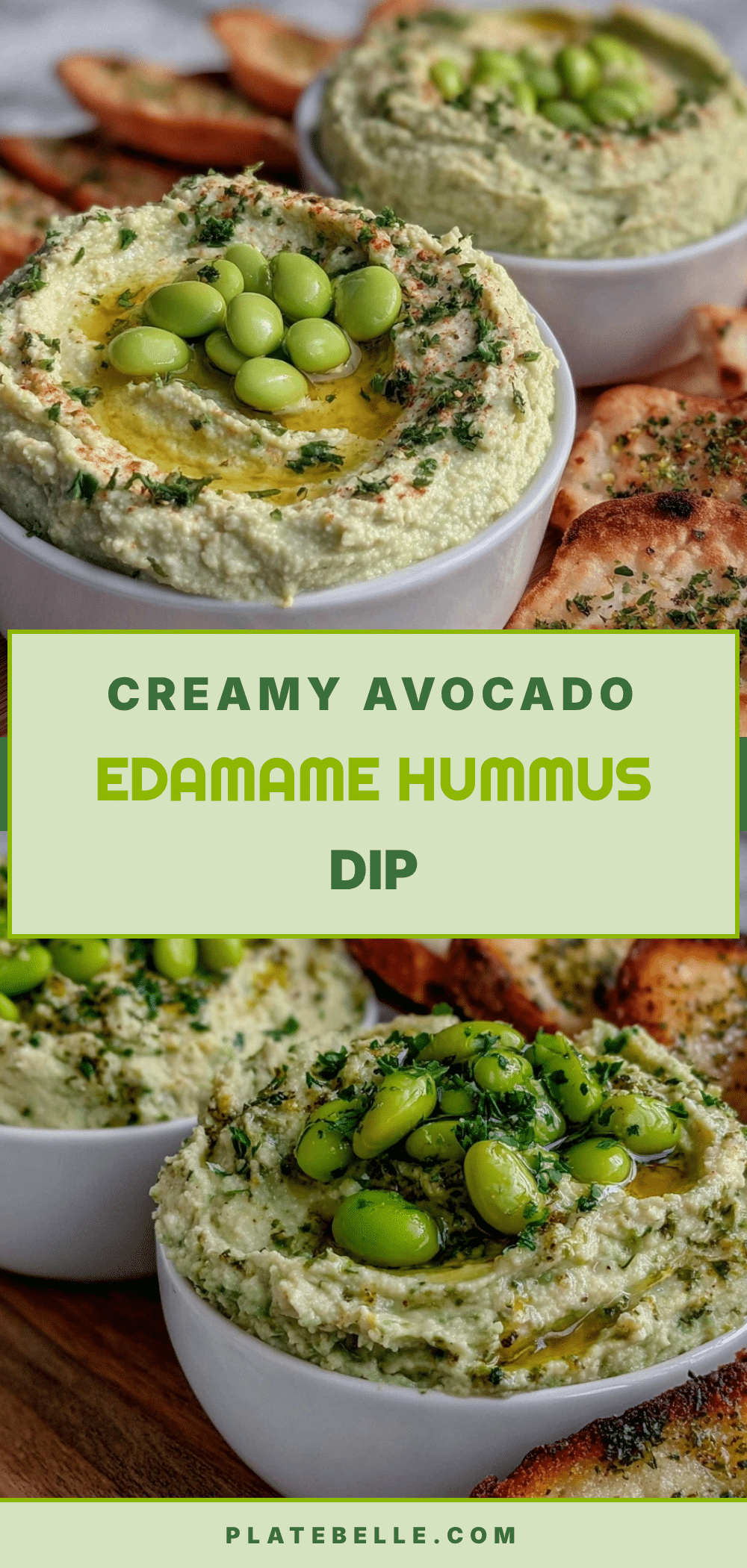
Fresh Avocado and Edamame Hummus Recipe with Easy Zaatar Flatbread
A creamy and vibrant hummus combining avocado and edamame, paired with a quick and fragrant za’atar flatbread. Perfect for a healthy, fuss-free snack or light meal.
- Prep Time: 15 minutes
- Cook Time: 15 minutes
- Total Time: 30 minutes
- Yield: 4 servings 1x
- Category: Snack
- Cuisine: Middle Eastern
Ingredients
- 1 cup shelled edamame (frozen, thawed)
- 1 ripe avocado, peeled and pitted
- 2 tablespoons tahini
- 2 cloves garlic, minced
- 2 tablespoons fresh lemon juice
- 2 tablespoons extra virgin olive oil
- 1/2 teaspoon ground cumin
- Salt to taste
- Water as needed
- 1 cup all-purpose flour (or whole wheat for a nuttier taste)
- 1/2 teaspoon baking powder
- 1/4 teaspoon salt
- 2 tablespoons plain yogurt (regular or dairy-free coconut yogurt)
- 2 tablespoons water
- 2 tablespoons olive oil, plus extra for brushing
- 1 tablespoon za’atar spice blend
Instructions
- If using frozen edamame, thaw completely by leaving it in a colander at room temperature or rinsing under warm water. Pat dry to avoid excess moisture (about 5 minutes).
- In your food processor, combine the edamame, avocado, tahini, minced garlic, lemon juice, olive oil, and cumin. Pulse until the mixture starts to come together.
- With the processor running, slowly add water (about 1-2 tablespoons) until you reach a creamy, spreadable consistency. Scrape down the sides as needed to blend evenly. Season with salt to taste (total blending ~3-4 minutes).
- Transfer to a bowl, cover, and refrigerate for at least 15 minutes to meld flavors (optional but recommended).
- In a mixing bowl, whisk together flour, baking powder, and salt.
- Add yogurt, water, and olive oil to the dry mixture. Stir until a soft dough forms. If the dough is too sticky, add a touch more flour (mixing time ~5 minutes).
- Cover the bowl with a towel and let the dough rest for 10 minutes.
- Divide dough into 4 equal pieces. On a lightly floured surface, roll each piece into a thin circle about 6-7 inches in diameter. Brush the top with olive oil and sprinkle generously with za’atar.
- Heat your skillet over medium heat. Place one flatbread in the pan and cook for 2-3 minutes per side, until puffed and golden with dark spots. Repeat for remaining pieces. Keep cooked flatbreads warm in a clean towel.
- Plate the fresh avocado and edamame hummus alongside the warm za’atar flatbread. Garnish hummus with a drizzle of olive oil and a sprinkle of za’atar or sesame seeds if desired.
Notes
Use ripe avocados for best creaminess. Thaw edamame completely to avoid gritty texture. Add water slowly to achieve perfect hummus consistency. Let flatbread dough rest to ensure tenderness. Cook flatbread on moderate heat to avoid burning and ensure puffing. For gluten-free flatbread, substitute flour with almond flour and use dairy-free yogurt. Store hummus covered with plastic wrap pressed on surface to prevent browning. Reheat flatbread gently in skillet or oven, avoid microwaving.
Nutrition
- Serving Size: About 1/4 cup hummus
- Calories: 180
- Sugar: 1
- Sodium: 150
- Fat: 12
- Saturated Fat: 1.5
- Carbohydrates: 15
- Fiber: 5
- Protein: 8
Keywords: avocado hummus, edamame hummus, zaatar flatbread, healthy snack, vegan hummus, gluten-free flatbread, quick snack, plant-based protein