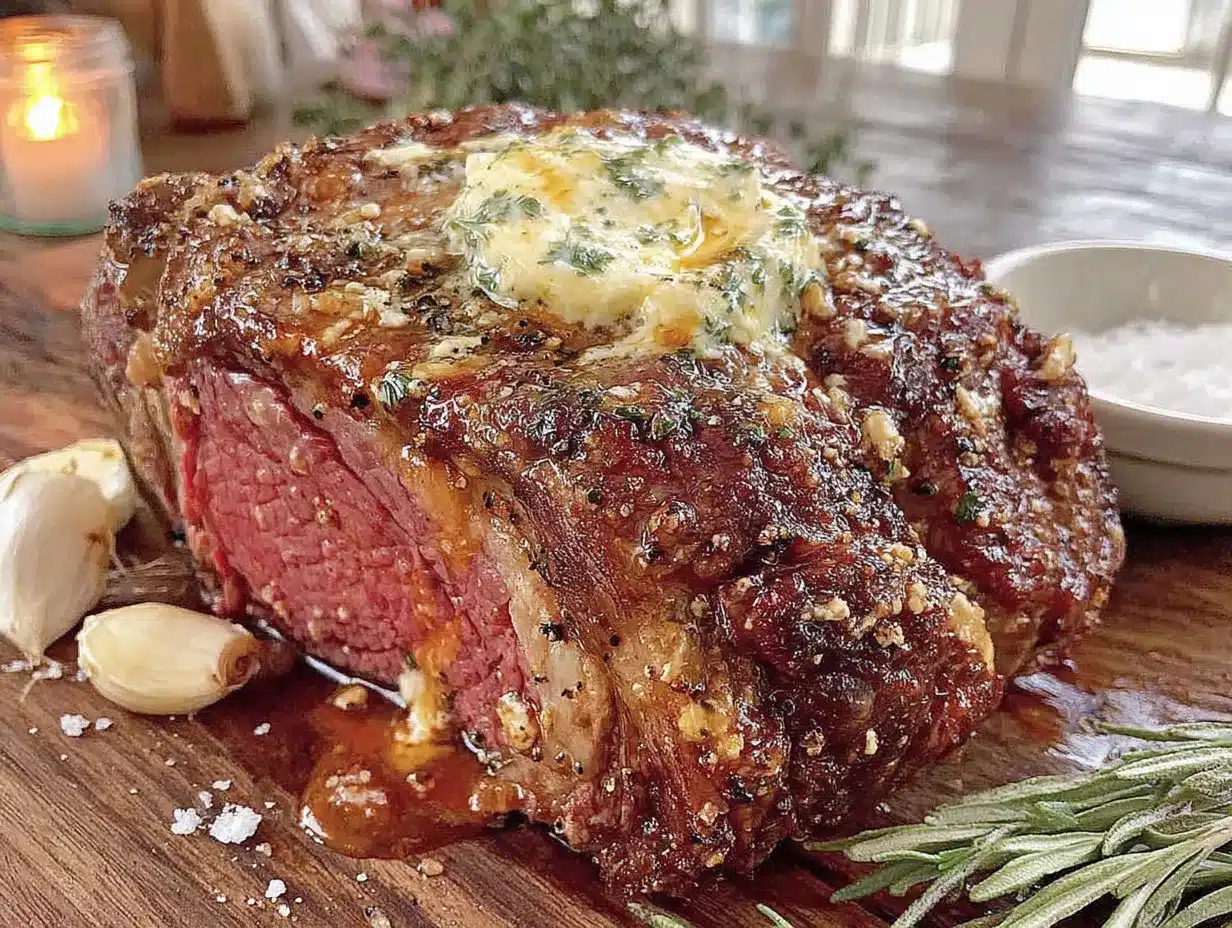
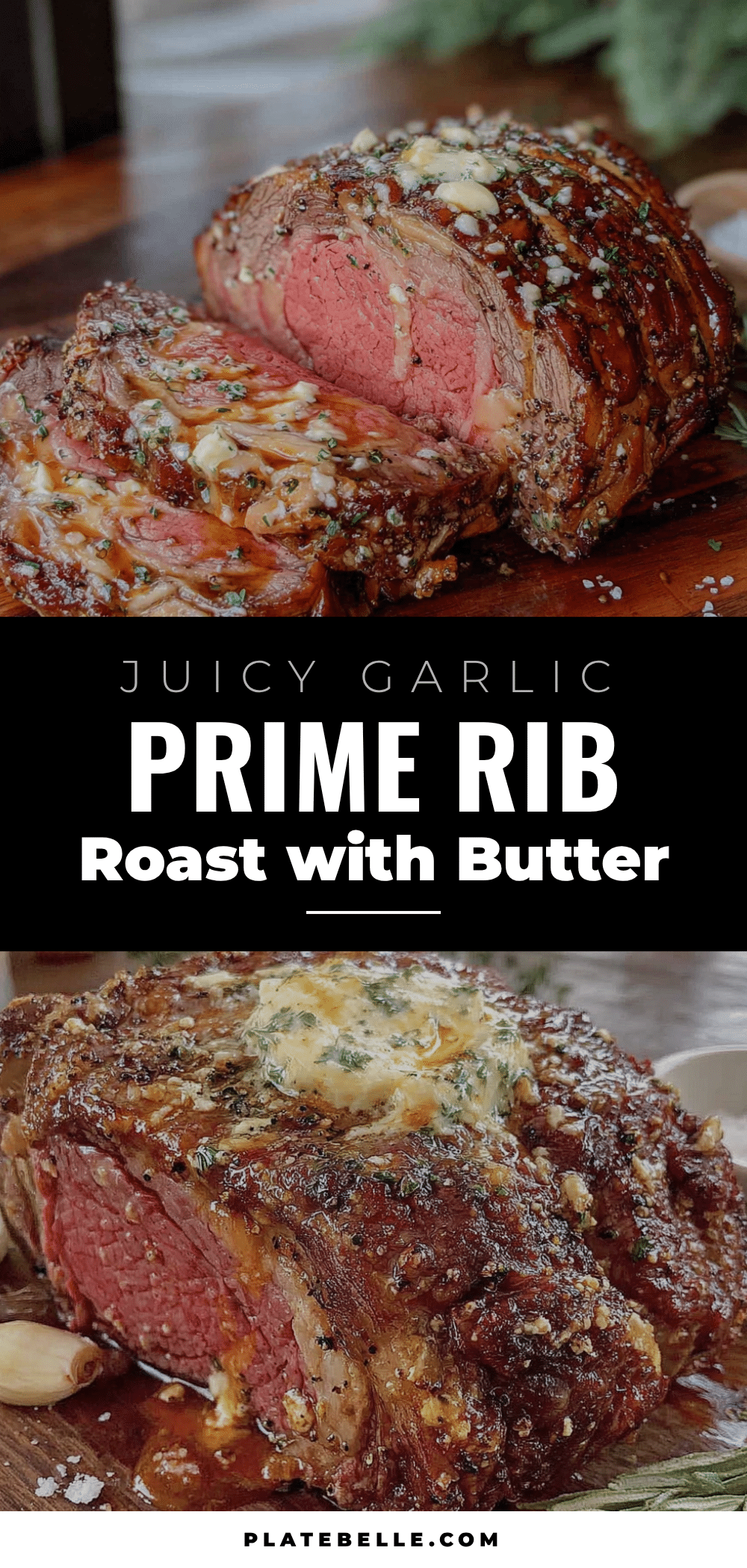
By the third time I made prime rib in as many weeks, I finally stopped overthinking the salt. The first roast came out beautifully browned but somehow timid on the inside—like it was holding back. The second one? I got impatient with the resting time and carved it too early. Juice everywhere. A tragedy on a platter. But that third attempt, with the garlic herb butter I’d been tweaking since Tuesday, something clicked. The crust cracked open under the knife like a promise kept, and the center was that perfect shade of rosy pink that makes people stop talking mid-sentence.
I wasn’t trying to prove anything to anyone. I just couldn’t let it go. There’s something about a perfect prime rib roast that feels like a rite of passage in the kitchen—not because it’s technically difficult, but because it demands patience and a little bit of faith. You have to trust the process, trust the heat, trust that butter is never a bad idea (it isn’t). And honestly? Once you nail it, you’ll understand why people save this meal for the big occasions. It just hits different.
This recipe is the one I landed on after all that trial and error. It’s straightforward, forgiving, and absolutely packed with flavor. No fancy techniques, no stress—just a gorgeous roast with a garlic herb crust that’ll make your kitchen smell like a holiday card. Let’s get into it.
Why You’ll Love This Recipe
Look, I’ve tested a lot of prime rib methods over the years. Some call for searing first, others swear by low-and-slow all the way, and a few get weirdly complicated with temperature probes and foil tents. This version cuts through the noise. It’s built around a simple garlic herb butter that does double duty—it seasons the meat and creates that gorgeous, crackly crust you’re after.
- Foolproof Method : No guesswork. I walk you through every step, including the exact temperatures and resting times so you get consistent results every single time.
- Restaurant-Quality at Home : That deep, savory crust and tender, juicy center? Totally achievable in your own oven. Your guests will think you cheated.
- Minimal Ingredients, Maximum Flavor : You don’t need a pantry full of exotic spices. Just good butter, fresh herbs, garlic, and a quality roast. That’s it.
- Perfect for Special Occasions : Christmas dinner, New Year’s Eve, a milestone birthday—this is the centerpiece that makes the evening feel intentional and special.
- Leftovers Are a Gift : Cold prime rib sandwiches the next day? Thinly sliced on a crusty roll with horseradish cream? Honestly, sometimes I cook this just for the leftovers.
What sets this recipe apart from the countless others out there is the garlic herb butter application. Most recipes just rub it on and hope for the best. I take a slightly different approach—I let the butter sit on the roast for a full 30 minutes before it hits the oven, allowing the flavors to sink in while the meat comes to room temperature. Small detail, huge difference. It’s the kind of trick you learn after making this dish three times in two weeks because you just couldn’t stop thinking about it.
What Ingredients You Will Need
This recipe relies on a short list of quality ingredients. Each one plays a specific role, from building the crust to keeping the meat tender and flavorful. Here’s what you’ll need and why each ingredient matters.
- Prime rib roast (bone-in, 4-6 pounds) – Bone-in is non-negotiable here. The bones act as a natural insulator, helping the meat cook more evenly and adding incredible flavor to the pan juices. Look for a roast with good marbling—those thin veins of fat running through the meat are what keep it juicy. I usually ask my butcher for a first-cut or center-cut roast for the most uniform shape.
- Unsalted butter (1 cup, softened) – Butter is the backbone of the crust. Using unsalted butter lets you control the salt level yourself. Make sure it’s truly softened—leave it out on the counter for at least an hour before you start. Cold butter won’t spread evenly, and you’ll end up with patchy seasoning.
- Fresh garlic (6-8 cloves, minced) – Fresh garlic is essential. The pre-minced stuff in a jar has a flat, almost metallic taste that just doesn’t work here. You want that sharp, pungent kick that mellows into sweetness as it roasts. I use a microplane to grate mine directly into the butter—it practically melts in.
- Fresh rosemary (2 tablespoons, finely chopped) – Rosemary and beef are a classic pairing for a reason. Its piney, slightly floral aroma cuts through the richness of the roast beautifully. Strip the leaves off the woody stems before chopping—you don’t want any tough bits in your butter.
- Fresh thyme (1 tablespoon, leaves stripped) – Thyme adds a subtle earthiness that rounds out the rosemary without overpowering it. Run your fingers down the stem to strip the leaves quickly. No need to chop them further—they’re small enough as is.
- Kosher salt (2 tablespoons) – Use a coarse kosher salt like Diamond Crystal or Morton’s. Table salt is too fine and will make the roast taste overly salty. The coarse grains cling to the butter and create that beautiful, crunchy crust.
- Freshly ground black pepper (1 tablespoon) – Pre-ground pepper is a shadow of its former self. Grind whole peppercorns fresh for that bright, citrusy heat. It makes a noticeable difference in the final crust.
- Olive oil (2 tablespoons) – A little olive oil helps the butter mixture spread more smoothly and encourages browning. Use a good-quality extra virgin olive oil if you have it, but regular olive oil works just fine.
- Beef broth (1 cup, for the pan) – This isn’t for the roast itself—it’s for the pan. Adding broth to the bottom of the roasting pan creates steam that keeps the meat moist and gives you a head start on the most incredible au jus.
Equipment Needed
You don’t need a professional kitchen to pull this off. Here’s what you’ll actually use:
- Roasting pan with a rack – A sturdy roasting pan is worth the investment. The rack lifts the roast off the bottom of the pan so heat circulates evenly around the meat. No rack? No problem. Roll up a few strips of aluminum foil into coils and place them under the roast—it works in a pinch.
- Instant-read thermometer – This is the single most important tool for prime rib. Guessing doneness by touch or time alone is a recipe for disaster. A good instant-read thermometer takes the guesswork out completely. I use a Thermapen, but any reliable digital thermometer will do.
- Chef’s knife – A sharp chef’s knife makes mincing garlic and herbs a breeze. Dull knives are dangerous—they slip. Keep yours sharp and you’ll thank yourself later.
- Cutting board – A large wooden or plastic cutting board gives you space to work. Avoid glass boards—they’re hard on your knife and slippery.
- Mixing bowl – Just a small bowl for combining the butter, garlic, herbs, and seasonings.
- Kitchen twine – If your roast isn’t already tied, you’ll want twine to secure it. Tying helps the roast hold its shape and cook evenly. Butcher’s twine is cheap and available at any grocery store.
- Aluminum foil – For tenting the roast while it rests. This step is crucial—don’t skip it.
- Carving knife or slicing knife – A long, thin carving knife gives you clean, even slices. A serrated knife can work in a pinch, but it tends to tear the meat.
Preparation Method
Let’s walk through this step by step. Take your time, trust the process, and remember—the oven does most of the work. You’re just the conductor.
- Take the roast out of the refrigerator 2 hours before cooking. This is non-negotiable. A cold roast straight from the fridge will cook unevenly—the outside will be overdone while the center stays raw. Let it sit on the counter, still wrapped, for a full 2 hours. It should feel cool but not cold to the touch when you’re ready to start.
- Preheat your oven to 450°F (230°C). You want a screaming hot oven for the initial sear. This high heat creates that beautiful brown crust in the first 20 minutes. Position the rack in the center of the oven so the roast sits evenly in the middle of the heat.
- Make the garlic herb butter. In a small mixing bowl, combine the softened butter, minced garlic, chopped rosemary, stripped thyme leaves, kosher salt, black pepper, and olive oil. Mash everything together with a fork until it forms a uniform paste. Give it a taste—it should be boldly seasoned. The butter will mellow as it cooks, so don’t be shy with the salt and garlic.
- Pat the roast dry with paper towels. Moisture is the enemy of a good crust. Blot the entire surface of the roast until it’s completely dry. Don’t skip this—excess water will steam the meat instead of browning it.
- Apply the garlic herb butter. Using your hands (gloves optional, but it’s less messy), spread the butter mixture all over the roast. Really work it in—cover every nook and cranny, including the sides and ends. The butter should form a thick, even layer. Don’t forget the cut ends where the bones were removed—those spots dry out fast if left unseasoned.
- Let the buttered roast sit for 30 minutes. This is my secret step. After you’ve applied the butter, let the roast sit at room temperature for another 30 minutes. This allows the flavors to penetrate the surface while the meat continues to come up to temperature. It also helps the butter adhere better during the initial sear.
- Place the roast on the rack in the roasting pan. Position it bone-side down, fat-side up. The bones act as a natural rack, so if your roast is bone-in, you might not even need the rack. Pour the beef broth into the bottom of the pan—don’t let it touch the roast itself. The broth will create steam and keep the meat moist.
- Sear at 450°F (230°C) for 20 minutes. Put the roast in the oven and let it blast at high heat. Don’t open the door. After 20 minutes, the crust should be deeply golden and fragrant. This initial sear locks in the flavor and creates that signature crust.
- Reduce the oven temperature to 325°F (160°C). Without opening the door (if you can help it), lower the temperature. The roast will continue cooking at a gentler pace, allowing the interior to reach your desired doneness without burning the outside.
- Roast until the internal temperature reaches your target. Insert your instant-read thermometer into the thickest part of the roast, avoiding the bone. Here are the target temperatures (remember, the roast will continue cooking as it rests, so pull it 5°F early):
- Rare: 120°F (49°C) — pull at 115°F
- Medium-rare: 130°F (54°C) — pull at 125°F
- Medium: 140°F (60°C) — pull at 135°F
- Medium-well: 150°F (66°C) — pull at 145°F
For a 4-6 pound roast, this usually takes about 15-20 minutes per pound at 325°F. But trust the thermometer, not the clock.
- Rest the roast for 20-30 minutes. This is the hardest part. Once you pull the roast from the oven, tent it loosely with aluminum foil and let it rest on the cutting board. Do not skip this. Resting allows the juices to redistribute throughout the meat. If you carve too soon, all those beautiful juices will end up on the cutting board instead of in your mouth.
- Carve and serve. After resting, remove the twine if your roast was tied. Slice against the grain into ½-inch thick slices. For bone-in roasts, you can either remove the bones first by cutting along the bone line, or leave them attached and slice between the bones. Serve immediately with the pan juices spooned over the top.
Cooking Tips & Techniques
I’ve made every mistake in the book so you don’t have to. Here’s what I’ve learned the hard way:
- Don’t skip the resting time before cooking. I know it feels like wasted time, but bringing the roast to room temperature is the single most important step for even cooking. A cold center will leave you with a raw middle and an overdone exterior.
- Use a thermometer, not a timer. Ovens vary wildly. Your friend’s oven might run hot, yours might run cool. The only reliable way to know when your roast is done is by temperature. Invest in a good instant-read thermometer—it will pay for itself in perfectly cooked meat.
- Don’t open the oven door during the sear. Every time you open the door, heat escapes and the oven temperature drops. During the initial 20-minute sear, resist the urge to peek. Let the heat do its job.
- Let the roast rest longer than you think. Twenty minutes is the minimum. Thirty is better. The internal temperature will rise another 5-10 degrees during resting (this is called carryover cooking), so factor that into your pull temperature.
- Save the pan drippings. Those browned bits and juices in the bottom of the pan are liquid gold. After you remove the roast, place the pan on the stovetop over medium heat. Add a splash of red wine or beef broth, scrape up the browned bits, and simmer for a few minutes. Strain and serve as au jus.
One mistake I made early on was using salted butter and then adding the full amount of kosher salt. The result was an aggressively salty crust that overwhelmed everything else. Learn from my error—always use unsalted butter and season to taste. You can always add more salt, but you can’t take it out.
Variations & Adaptations
This recipe is flexible. Here are a few ways to make it your own:
- Herb Swap : Not a fan of rosemary? Swap it for equal amounts of fresh oregano or sage. Both pair beautifully with beef. For a more delicate flavor, try tarragon—it adds a subtle anise note that’s surprisingly good with the butter.
- Spicy Kick : Add ½ teaspoon of red pepper flakes or a minced chipotle pepper in adobo sauce to the butter mixture. The heat cuts through the richness of the roast and adds a smoky depth. I tried this once for a Super Bowl party and it disappeared in minutes.
- Garlic Lovers Version : Double the garlic. Roast a whole head of garlic (cut the top off, drizzle with olive oil, wrap in foil, and bake at 400°F for 45 minutes) and squeeze the soft cloves into the butter. The roasted garlic adds a sweet, mellow flavor that’s completely different from raw garlic.
- Low-Carb/Keto : This recipe is naturally low-carb and keto-friendly. Skip the au jus if you’re watching carbs, or use a sugar-free beef broth. The garlic herb butter is packed with healthy fats that fit perfectly into a keto diet.
- Herb Crust Variation : After applying the butter, roll the roast in a mixture of equal parts fresh breadcrumbs and grated Parmesan cheese (about ½ cup total). The breadcrumbs toast into an incredible crunchy crust. This works especially well if you’re serving the roast to a crowd that loves texture.
Serving & Storage Suggestions
Prime rib is a showstopper, but what you serve with it matters just as much. Here’s how to round out the meal:
- Serving Temperature : Serve the roast hot, straight from the resting period. The ideal serving temperature is around 130-135°F for medium-rare. If it cools down too much, the fat can become waxy and unappetizing.
- Classic Sides : Creamy mashed potatoes, roasted asparagus, a simple arugula salad with lemon vinaigrette, or Yorkshire pudding are all excellent choices. The richness of the roast pairs beautifully with something bright and acidic—try a side of horseradish cream (mix ½ cup sour cream with 2 tablespoons prepared horseradish and a squeeze of lemon).
- Wine Pairing : A bold red wine stands up to the richness of prime rib. Cabernet Sauvignon, Malbec, or a full-bodied Zinfandel are all solid choices. If you prefer white, a rich Chardonnay with oak notes can work, but red is really the way to go.
- Storage : Leftover prime rib keeps beautifully. Wrap it tightly in plastic wrap or aluminum foil and store it in the refrigerator for up to 4 days. The flavors actually deepen overnight, making leftovers even better than the original meal.
- Reheating : The best way to reheat prime rib without drying it out is low and slow. Place slices in a baking dish with a splash of beef broth, cover with foil, and warm in a 300°F oven for 10-15 minutes. Alternatively, sear slices in a hot skillet with a little butter for 60 seconds per side. Avoid the microwave—it turns the meat rubbery.
- Freezing : You can freeze cooked prime rib for up to 3 months. Slice it first, then wrap individual portions tightly in plastic wrap and place them in a freezer-safe bag. Thaw overnight in the refrigerator before reheating.
Nutritional Information & Benefits
Prime rib is an indulgence, but it also offers some nutritional benefits when enjoyed in moderation. Here’s the breakdown per 6-ounce serving (about the size of two thick slices):
- Calories : Approximately 450-550 (depending on fat content)
- Protein : 45-50 grams — excellent for muscle repair and satiety
- Fat : 30-40 grams (mostly monounsaturated and saturated fat)
- Iron : 25% of the daily value — important for oxygen transport in the blood
- Vitamin B12 : 100% of the daily value — crucial for nerve function and energy production
- Zinc : 40% of the daily value — supports immune health
Beef is one of the most nutrient-dense foods you can eat. It’s rich in bioavailable iron, which is easier for your body to absorb than plant-based iron. The fat content, while high, includes stearic acid, which has a neutral effect on cholesterol levels for most people. That said, this is a special occasion meal, not an everyday dinner. Balance it with plenty of vegetables and you’ve got a satisfying, celebratory dish.
Conclusion
Look, I’m not going to tell you this is the easiest recipe in the world. It requires a little planning, a little patience, and a good thermometer. But I promise you—when you pull that roast out of the oven, let it rest, and slice into it to reveal that perfect pink center with a crackling herb crust? You’ll feel like a culinary rockstar. And honestly, you deserve that feeling. Whether you’re cooking for a holiday dinner, a birthday celebration, or just because you want to treat yourself to something special, this prime rib delivers every single time.
I’d love to hear how yours turns out. Did you try any of the variations? Did your family go silent after the first bite (the highest compliment)? Drop a comment below and let me know. And if you’re looking for more showstopper recipes to round out your menu, don’t miss my creamy balsamic chicken thighs or this grilled peach flatbread for a completely different kind of wow factor. Happy cooking, friends!
Frequently Asked Questions
How long does it take to cook a prime rib roast at 325°F?
For a 4-6 pound bone-in prime rib roast at 325°F, plan on about 15-20 minutes per pound for medium-rare. So a 5-pound roast would take roughly 75-100 minutes after the initial 20-minute sear at 450°F. Always use a thermometer to confirm doneness rather than relying solely on time.
Should I cover the prime rib while it cooks?
No, do not cover the roast while it cooks. Leaving it uncovered allows the heat to circulate freely, which is essential for developing that beautiful brown crust. The only time you cover the roast is during the resting period after it comes out of the oven—and even then, just tent it loosely with foil.
Can I use a boneless prime rib roast instead of bone-in?
Absolutely. Boneless roasts cook slightly faster (about 10-15 minutes per pound at 325°F) and are easier to carve. However, the bones add flavor and act as a natural insulator, so you’ll lose a bit of that benefit. If using boneless, make sure to tie the roast with kitchen twine so it holds its shape during cooking.
What’s the best way to reheat leftover prime rib without drying it out?
Low and slow is the answer. Place slices in a baking dish with a splash of beef broth or au jus, cover with foil, and warm in a 300°F oven for 10-15 minutes. You can also sear slices in a hot skillet with a little butter for 60 seconds per side. Avoid the microwave—it will turn your beautiful leftovers into shoe leather.
Can I prepare the garlic herb butter in advance?
Yes, and I actually recommend it. You can make the garlic herb butter up to 3 days ahead and store it in the refrigerator. Let it come to room temperature for about 30 minutes before applying it to the roast so it spreads easily. You can also freeze the butter for up to 3 months—just thaw it overnight in the fridge before using.
Pin This Recipe!
Perfect Prime Rib Roast with Garlic Herb Butter Recipe
A foolproof prime rib roast with a garlic herb butter crust that delivers a deeply flavorful, tender, and juicy center. Perfect for special occasions, this recipe walks you through every step for consistent, restaurant-quality results at home.
- Prep Time: 2 hours 30 minutes
- Cook Time: 1 hour 30 minutes
- Total Time: 4 hours
- Yield: 8 servings
- Category: Main Course
- Cuisine: American
Ingredients
- Prime rib roast (bone-in, 4-6 pounds)
- Unsalted butter (1 cup, softened)
- Fresh garlic (6-8 cloves, minced)
- Fresh rosemary (2 tablespoons, finely chopped)
- Fresh thyme (1 tablespoon, leaves stripped)
- Kosher salt (2 tablespoons)
- Freshly ground black pepper (1 tablespoon)
- Olive oil (2 tablespoons)
- Beef broth (1 cup, for the pan)
Instructions
- Take the roast out of the refrigerator 2 hours before cooking.
- Preheat your oven to 450°F (230°C).
- Make the garlic herb butter: In a small mixing bowl, combine the softened butter, minced garlic, chopped rosemary, stripped thyme leaves, kosher salt, black pepper, and olive oil. Mash together with a fork until it forms a uniform paste.
- Pat the roast dry with paper towels.
- Apply the garlic herb butter all over the roast, covering every nook and cranny.
- Let the buttered roast sit for 30 minutes at room temperature.
- Place the roast on the rack in the roasting pan, bone-side down, fat-side up. Pour the beef broth into the bottom of the pan.
- Sear at 450°F (230°C) for 20 minutes.
- Reduce the oven temperature to 325°F (160°C).
- Roast until the internal temperature reaches your target: Rare 120°F (pull at 115°F), Medium-rare 130°F (pull at 125°F), Medium 140°F (pull at 135°F), Medium-well 150°F (pull at 145°F). For a 4-6 pound roast, this usually takes about 15-20 minutes per pound at 325°F.
- Rest the roast for 20-30 minutes, tented loosely with aluminum foil.
- Carve and serve: Remove twine, slice against the grain into ½-inch thick slices. Serve immediately with pan juices.
Notes
Don’t skip the resting time before cooking. Use a thermometer, not a timer. Don’t open the oven door during the sear. Let the roast rest longer than you think. Save the pan drippings for au jus. Always use unsalted butter to control salt level.
Nutrition
- Serving Size: 6 ounces
- Calories: 500
- Sodium: 800
- Fat: 35
- Saturated Fat: 15
- Carbohydrates: 2
- Protein: 48
Keywords: prime rib, roast beef, garlic herb butter, holiday dinner, special occasion, bone-in prime rib, Christmas dinner, New Year's Eve